Source lavash making flat bread machine for Pita, Bread, Samosa
Compare 30 units of the lavash making flat bread machine designed for bakery production. Buyers can evaluate specifications like capacity, voltage, and material to find the right equipment for pita, bread, and samosa applications.
Key considerations
Products List
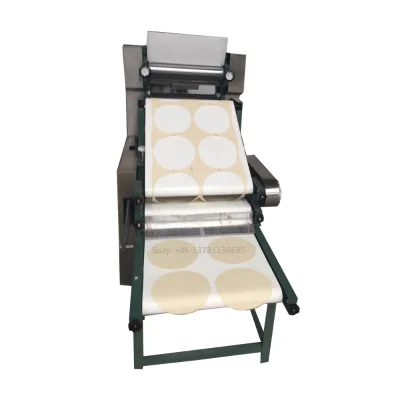


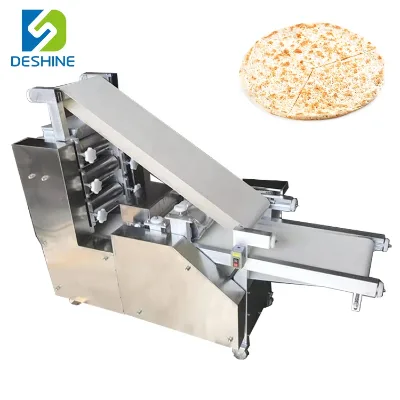


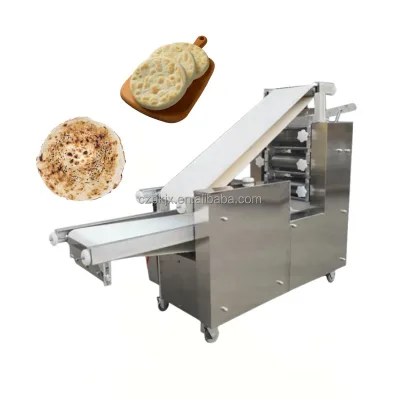
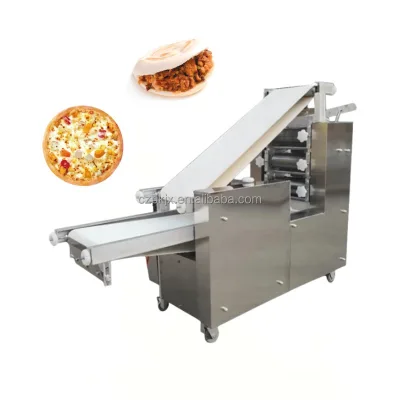






Comprehensive Sourcing Guide
Strategic Sourcing Guide for Lavash Making Flat Bread Machines
Understanding the Technical Landscape of Flat Bread Production Equipment
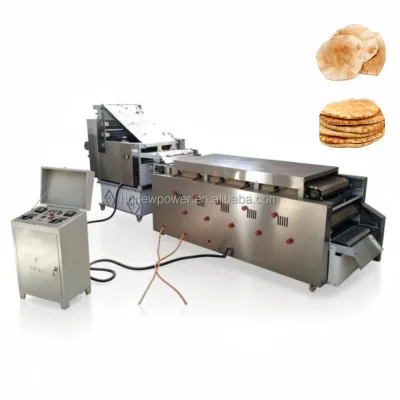
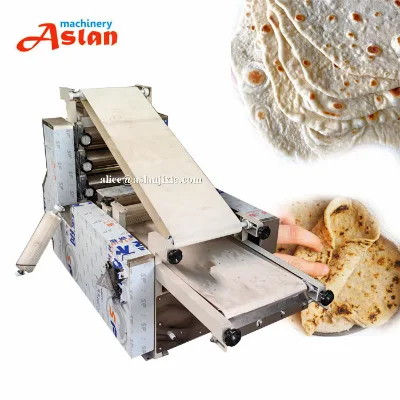
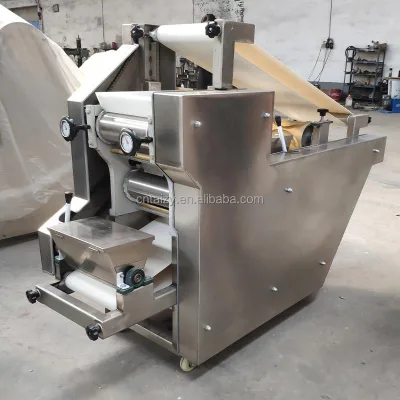
When sourcing a lavash making flat bread machine, buyers must navigate a complex array of technical specifications that define the machine's capability and output quality. The core functionality of these units often centers on multi-function capabilities, allowing for the production of various flat bread types beyond just lavash, including pita, samosa, empanada, and general dough products. The physical construction of these machines is predominantly characterized by the use of Stainless Steel 304, a material choice that ensures durability and compliance with food safety standards in industrial bakery environments. This material selection is critical for maintaining hygiene and preventing corrosion during high-volume production cycles.
The operational footprint of these machines varies significantly based on the specific model and intended capacity. Observed dimensions for large-scale units can reach approximately 1320mm in width, 900mm in depth, and 1300mm in height, while other configurations may be sized at 1650mm by 650mm by 1150mm. The physical weight of the machinery is a substantial factor in logistics and facility planning, with units ranging from approximately 300kg to 600kg, and some heavy-duty industrial models weighing up to 340kg. Buyers must verify the exact weight and dimensions of the specific unit they intend to purchase, as these figures directly impact shipping costs and the structural requirements of the installation site.
Power requirements are another critical technical specification. These machines typically operate on electric power sources, with voltage configurations commonly available in 220V, 380V, or dual-voltage 220/380V setups to accommodate different regional electrical standards. The power consumption for specific models is observed around 1.2kW, though high-capacity industrial lines may require higher inputs. The heating method is a pivotal decision point, with suppliers offering options for both gas heating and electric heating. The choice between these methods depends on the available utility infrastructure at the production facility and the specific thermal efficiency requirements for baking thin lavash sheets. Furthermore, the machinery often includes a cooling section, with some advanced models featuring a 3-layer cooling system to ensure the bread is properly set before packaging.
Compliance, Certification, and Regulatory Standards
In the B2B procurement of industrial bakery equipment, verifying compliance with international safety and quality standards is non-negotiable. The market for flat bread machines frequently lists certifications such as CE (Conformité Européenne) and TUV, which indicate adherence to European safety and quality benchmarks. Additionally, ISO certification is often cited, suggesting that the manufacturing process follows international quality management protocols. Buyers must treat these certifications as observations of the supplier's claims rather than guaranteed attributes of every listed product. It is essential to request valid, up-to-date certification documents directly from the supplier to confirm that the specific unit being purchased meets the regulatory requirements of the destination country.
The absence of a specific certification on a product listing does not necessarily imply non-compliance, but it does require a deeper verification process. Buyers should inquire about the specific standards the machine was tested against, particularly regarding electrical safety and mechanical guarding. For instance, while CE is a common claim, the specific directive (e.g., Machinery Directive 2006/42/EC) should be confirmed. Similarly, TUV certification provides an independent third-party validation of safety and performance. The presence of these certifications is a strong indicator of a supplier's commitment to quality, but they must be cross-referenced with the actual product documentation.
Cost Drivers and Financial Considerations
The pricing structure for lavash making flat bread machines is influenced by a variety of factors, including capacity, automation level, and material quality. The observed price range for these industrial units spans from approximately $900 to $80,000 USD. This wide disparity reflects the difference between small-scale, semi-automatic units and fully automated, high-throughput production lines. The lower end of the spectrum typically corresponds to machines with smaller capacities, such as those producing 100kg to 150kg per hour, while the higher price points are associated with units capable of processing 600 to 2000 pieces per hour or those with advanced customization features.
Capacity is a primary driver of cost. Machines with a stated capacity of 150kg/hour or 100kg/hour represent a mid-range investment, whereas units capable of 600-2000 pieces per hour command a premium. The material composition also plays a significant role; machines constructed entirely from Stainless Steel 304 will generally cost more than those using mixed materials, due to the higher cost of the raw material and the enhanced longevity it provides. Additionally, the complexity of the heating system, whether it is electric or gas, and the inclusion of advanced features like customizable bread sizes (ranging from 5cm to 40cm in diameter) or specific thickness controls (0.1mm to 4mm) will increase the unit price.
Buyers should also consider the total cost of ownership, which includes shipping, installation, and maintenance. The packaging method, often a plywood case or crate, is designed to protect the machine during transit, but the weight of the packaging adds to the freight cost. Lead times and the availability of spare parts, such as motors, are also hidden cost factors that can affect the overall financial viability of the procurement.
Typical Applications and Production Versatility
The versatility of modern flat bread machines makes them suitable for a diverse range of applications beyond the production of traditional lavash. These machines are designed to handle various dough types, including those required for pita bread, samosas, and empanadas. The ability to produce multiple product types from a single machine line offers significant operational flexibility for bakeries looking to diversify their product offerings without investing in separate equipment for each item. The application fields for these machines are primarily focused on commercial bakeries, industrial food processing plants, and large-scale catering operations.
The specific application of the machine often dictates the required specifications. For example, a facility producing thin lavash sheets will require precise control over the dough thickness, which can be adjusted within a range of 0.1mm to 4mm. The diameter of the bread can also be customized, with standard ranges extending from 5cm to 50cm, allowing producers to meet specific market demands. The raw materials processed by these machines typically include flour and milk, indicating their suitability for a wide variety of dough formulations. The "Multi-function" attribute of these machines allows them to adapt to different production schedules, switching between bread, pita, and other dough-based products as needed.
Supplier Evaluation and Origin Verification
When evaluating potential suppliers for lavash making flat bread machines, buyers must pay close attention to the place of origin and the reputation of the manufacturer. The majority of the observed supply chain originates from China, with specific regions such as Hebei and Henan being prominent hubs for this type of machinery. While these regions are known for their manufacturing capabilities, buyers should verify the specific factory location and its track record. The brand names associated with these machines, such as "Bake" or "Deshine," serve as identifiers, but the underlying manufacturing quality is more important than the brand name itself.
Supplier evaluation should also include an assessment of their after-sales support and warranty terms. A standard warranty period of 2 years is observed in the market, which provides a baseline for expected support. However, buyers must clarify what the warranty covers, including parts, labor, and on-site service. The availability of core components, such as the motor, is another critical factor. Suppliers who stock these components locally or have a reliable supply chain for replacements can minimize downtime in the event of a breakdown.
Quality Control and Performance Verification
Ensuring the quality of the flat bread machine requires a rigorous approach to performance verification. Key selling points often highlighted by suppliers include "High Productivity" and "Easy Operation," but these claims must be substantiated through testing or third-party validation. Buyers should request detailed performance data, including the actual output per hour under standard operating conditions. The observed capacity ranges from 100kg/hour to 2000 pieces/hour, but the actual performance may vary based on the dough consistency and the specific product being made.
Quality control should also extend to the mechanical components of the machine. The air compressor capacity, observed at 0.9m³/Min in some models, is a critical parameter for pneumatic systems used in dough handling and shaping. The thickness control mechanism must be precise to ensure uniform product quality. Buyers should verify the accuracy of the diameter and thickness settings, as these directly impact the final product's texture and appearance. Additionally, the cooling system's efficiency is vital for preventing dough sticking and ensuring the bread is properly set before packaging.
Long-Term Procurement and Operational Sustainability
Long-term procurement considerations for lavash making flat bread machines involve planning for scalability, maintenance, and energy efficiency. The "Customization" availability of these machines allows buyers to tailor the equipment to their specific production needs, which can be a strategic advantage for growing businesses. However, customization often extends lead times and may require a higher initial investment. Buyers should weigh the benefits of a customized machine against the potential delays and costs.
Energy efficiency is another long-term consideration. The power source, whether electric or gas, will determine the ongoing operational costs. Machines with electric heating may offer more precise temperature control, while gas heating might be more cost-effective in regions with low gas prices. The power consumption of 1.2kW is a baseline figure, but high-capacity machines will consume significantly more energy. Buyers should calculate the energy costs over the lifespan of the machine to determine the true cost of production.
Finally, the condition of the machine, whether new or refurbished, is a critical factor. All observed listings indicate "New" condition, which ensures the machine is free from wear and tear. However, buyers should verify the manufacturing date and the condition of the core components to ensure they are not outdated. The "Easy Operation" feature is a significant advantage for reducing training costs and minimizing operator error, which contributes to long-term operational efficiency. By carefully evaluating these factors, buyers can make informed decisions that align with their production goals and budget constraints.
Comparative Analysis of Machine Specifications
To assist buyers in making informed decisions, the following table summarizes the key technical specifications observed in the market for lavash making flat bread machines. This comparison highlights the variations in capacity, dimensions, and power requirements that buyers should consider.
| Specification | Low-Capacity Model | Mid-Capacity Model | High-Capacity Model |
|---|---|---|---|
| Capacity | 100 kg/h | 150 kg/h | 600-2000 PCS/h |
| Dimensions (LWH) | 13209001300mm | 16506501150mm | 300010801500mm |
| Weight | ~300 kg | 600 kg | 340 kg |
| Power Source | Electric (1.2kW) | Electric (220/380V) | Electric/Gas |
| Material | Stainless Steel 304 | Stainless Steel | Stainless Steel |
| Bread Diameter | 5-40 cm | 10-50 cm | Customizable |
| Thickness | 0.1-4 mm | 0.1-4 mm | Customizable |
| Cooling System | 3 Layer | 3 Layer | Advanced |
| Certification | CE, TUV, ISO | CE, ISO | CE, TUV |
This table illustrates the diversity in the market, emphasizing that buyers must align their specific production requirements with the appropriate machine specifications. The variation in dimensions and weight underscores the importance of verifying the physical footprint before purchase, while the capacity differences highlight the need to match the machine to the expected production volume. By carefully analyzing these specifications, buyers can select a machine that optimizes their production efficiency and meets their quality standards.
FAQs
What is the production capacity of a lavash making flat bread machine?
Production capacity typically ranges from 100 to 150 kilograms per hour or 600 to 2000 pieces per hour depending on the model. Specific units may achieve 150kg per hour while others are rated for higher piece counts.
Which certifications do these machines usually hold for safety compliance?
Many models carry CE, TUV, and ISO certifications to ensure adherence to international safety and quality standards. Buyers should verify specific documents as these are supplier claims rather than universal guarantees for every listed unit.
Can the machine dimensions be customized for specific factory layouts?
Customization is available for various dimensions, with standard sizes observed around 1320 by 900 by 1300 millimeters. Other configurations may measure 1650 by 650 by 1150 millimeters to fit different facility requirements.
What material is used to construct the main body of the machine?
The primary construction material is Stainless Steel 304 to ensure durability and food safety compliance. Some listings also specify general stainless steel construction for the main structural components.
How is the heating method configured for different energy sources?
Heating methods include options for both gas heating and electric heating to suit different utility infrastructures. The power source is electronic, with voltage configurations often available at 220 or 380 volts.
What is the typical warranty period provided for this equipment?
A standard warranty period of 2 years is commonly observed for these industrial bakery machines. This coverage typically includes parts and labor, though specific terms should be confirmed with the supplier.
Which product types can be produced using this multi-function machine?
The machine supports production of pita bread, samosa, empanada, dough, and general bread products. It is designed for multi-function capabilities allowing flexibility in bakery output beyond just flat bread.